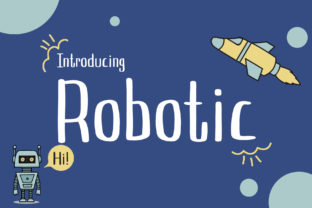
Robotic Font for Professional Branding
As a small business owner, I know how important it is to create a strong visual identity that resonates with customers. One of the simplest yet most impactful tools I’ve discovered is the Robotic font. This fun and original handwritten typeface adds personality and creativity to any project while maintaining a professional edge.
Robotic is a script font that brings a unique blend of casual charm and refined style. Its natural, flowing strokes give it a handcrafted feel, making it ideal for businesses that want to convey warmth and authenticity. Whether you're designing a logo or adding text to a product label, Robotic can elevate your brand's visual appeal without sacrificing clarity or readability.
Using Robotic in Business Materials
From logos to social media graphics, Robotic offers versatility across various business touchpoints. For example, a bakery might use Robotic in its logo to reflect a homemade, artisanal vibe. The font’s fluidity pairs well with modern typography, helping to balance creativity with professionalism.
On product labels, Robotic adds a personal touch that makes your brand stand out. Handmade candle sellers, for instance, can use it to label their products, creating a cohesive look that feels authentic and inviting. In packaging design, it helps reinforce your brand’s story and values.
For online shops, Robotic works well in banners, headings, and call-to-action buttons. It draws attention without overwhelming the viewer, making it perfect for digital ads and Instagram posts. When paired with a clean sans serif font, it creates a dynamic contrast that enhances readability while keeping the design fresh and engaging.
When to Use Robotic
Robotic shines as a headline or display font, where its expressive nature can make a strong visual statement. It’s also great as an accent font, adding flair to subheadings, quotes, or special promotions. However, it’s best used sparingly in body text due to its intricate details, which may affect legibility at smaller sizes.
When designing for mobile screens or printed materials, consider the size and context. Robotic remains readable on social media thumbnails and product tags, but it’s important to test it in different formats before finalizing your design. A quick check on a phone screen or printed sample can help ensure it looks good in real-world settings.
Pairing Robotic with Other Fonts
Font pairing is key to creating a balanced and visually appealing design. Pairing Robotic with a simple, clean sans serif font like Arial or Helvetica can create a striking contrast that highlights its uniqueness. Alternatively, combining it with a classic serif font such as Georgia or Times New Roman adds a timeless elegance to your branding.
For a more modern look, pair Robotic with a geometric sans serif like Futura or Montserrat. This combination maintains a professional tone while allowing the script font to shine. Experimenting with different pairings helps you find the right balance for your brand’s personality and audience.
Testing Robotic Before Full Implementation
Before committing to Robotic for your entire brand, test it across different materials. Create a mock-up of your logo, business card, and website header to see how it performs in various contexts. This step ensures consistency and helps identify any potential issues with legibility or spacing.
Many designers use free font testing tools or software like Adobe Express or Canva to preview how a font looks in real designs. These platforms allow you to experiment with different layouts and color schemes, giving you a better sense of how Robotic will fit into your overall brand strategy.
Understanding Commercial Licensing
When using Robotic in commercial projects—such as product packaging, client work, or digital downloads—it’s essential to check the font’s licensing terms. Ensure that the license covers all intended uses, including print, web, and resale. Some fonts require separate licenses for different applications, so always review the details carefully.
As a small business owner, I rely on trusted sources like Script Amp for high-quality fonts that meet my needs. Their collection includes a variety of premium fonts, each with clear licensing information to help creators make informed decisions.
Conclusion
Robotic is more than just a font—it’s a tool that helps small businesses build a consistent and memorable brand presence. Whether you’re designing a logo, crafting social media content, or labeling products, this handwritten typeface adds a touch of creativity and professionalism that resonates with customers.
By using Robotic thoughtfully and pairing it with complementary fonts, you can create a visual identity that reflects your brand’s values and appeals to your target audience. With proper testing and licensing, it becomes a valuable asset in your design toolkit.