Thelma: A Stylish Handwritten Font
As a marketing designer, I often find myself in the middle of a campaign workflow, tweaking visuals to ensure they resonate with the target audience. One such moment came when I was preparing a product launch graphic for a seasonal sale. The goal was to create something that felt personal and inviting, yet professional enough for a brand’s digital presence. That’s when I turned to Thelma—a stylish handwritten font that added a romantic and elegant touch to the design.
Thelma's Visual Style and Personality
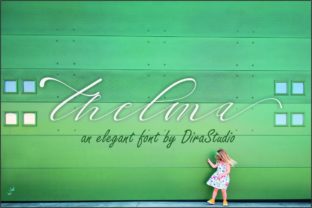
Thelma is more than just a font; it’s a typeface that carries a distinct personality. Its flowing curves and soft edges evoke a sense of warmth and intimacy, making it ideal for campaigns that aim to connect on an emotional level. Whether used in social media graphics or email banners, Thelma brings a touch of sophistication that feels both modern and timeless.
Its visual style is best described as elegant and expressive. It’s not overly ornate, but it has enough character to stand out without overwhelming the design. This makes it perfect for use in headlines, callouts, and logo-style text where clarity and impact are essential.
Thelma in Real Campaign Scenarios
During a recent Instagram content series, I experimented with Thelma in a set of quote graphics. The font worked exceptionally well in short, impactful statements, adding a personal and artistic flair to each post. When paired with a clean sans serif font for the body text, it created a balanced visual hierarchy that guided the viewer’s eye naturally through the content.
Another instance where Thelma proved valuable was in designing YouTube thumbnails for a webinar banner. The font’s legibility on small screens made it a strong choice for the title text, ensuring that the message was clear even at a glance. It also helped in creating a cohesive look across different platforms, reinforcing brand consistency.
Readability and Practical Use Cases
One of the key considerations when using a handwritten font like Thelma is readability. While it excels in short headlines and decorative titles, it may not be the best choice for long paragraphs or dense information. For example, using Thelma in a product description or a detailed blog post could hinder readability, especially on mobile devices.
However, in situations where the font is used as a supporting element—such as in a promotional tagline or a branded template—it shines. It works well on dark backgrounds, light backgrounds, and even in image overlays, as long as the contrast is sufficient. For mobile previews, it’s important to test the font at smaller sizes to ensure it remains legible.
Font Pairing and Design Integration
When integrating Thelma into a design system, pairing it with a complementary font can enhance its effectiveness. A clean sans serif font like Montserrat or Open Sans can provide a strong contrast, balancing the elegance of Thelma with modernity. Alternatively, pairing it with a serif font like Playfair Display can create a classic, refined look that suits editorial or packaging design.
For a more dynamic approach, combining Thelma with another script font can add depth and variety to the design. However, it’s important to maintain a clear visual hierarchy, ensuring that the most important elements remain prominent and easy to read.
Campaign Situations Where Thelma Excels
Thelma is particularly effective in campaigns that require a personal and artistic touch. It’s ideal for sale announcements, product teasers, and online course launches, where the goal is to capture attention and convey a sense of exclusivity. In these scenarios, the font helps to establish a unique brand voice that resonates with the audience.
It also works well in branded template packs, where consistency across different assets is crucial. Whether used in email promotions, website banners, or digital ad layouts, Thelma contributes to a cohesive brand identity that feels authentic and engaging.
For campaign designers, Thelma offers a versatile tool that can elevate the visual appeal of any project. Its ability to blend style with functionality makes it a valuable addition to any design toolkit, especially when working on creative or emotionally driven campaigns.